

Day 4: Noah
DAY GENESIS 6:1 – 9; HEBREWS 11:7
Noah was a righteous man, blameless among the people of his time, and he walked faithfully with God. — Genesis 6:9
Being part of the crowd is easier than being an exception to it. By nature, we love friendship over opposition. And there’s wisdom in that. In Africa, for example, one tries not to be at odds with one’s neighbour in case of emergency. A very important question we must all answer, however, is this: what side am I on in relation to the will of God? Being part of the majority or minority is not what matters. Rather, we must find ourselves on the side of trusting God’s way.
Noah, the tenth listed ancestor in Luke’s genealogy of Christ, lays before us a challenge as a model in this matter. The society of Noah’s time is described in Genesis 6:5: “The LORD saw how great the wickedness of the human race had become on the earth, and that every inclination of the thoughts of the human heart was only evil all the time.” In the midst of that society stood the man Noah.
Noah is described as “a righteous man, blameless among the people of his time” and one who “walked faithfully with God” (Genesis 6:9). The writer of Hebrews refers to him as one who acted “in holy fear” and said that, by the faith shown in building the ark, he became “heir of the righteousness that is in keeping with faith” (Hebrews 11:7). The Apostle Peter, in his second letter, refers to him as a preacher of righteousness (2 Peter 2:5). What does all this mean?
Righteousness is defined by the nature of God whom the Scriptures describe as “the righteous judge” (2 Timothy 4:8). It carries the idea of being in good standing before God by acting in line with God’s ways in the world. This was the status of Noah in his day. He believed what God said and acted accordingly. That made him blameless amid all the people of his time who were definitely not walking in God’s ways. What was it that God revealed and Noah believed and acted on? That God would deliver from the coming judgement through the ark that Noah was to build. By trusting the means of salvation that God revealed He was providing and faithfully building the ark, Noah condemned the world (Hebrews 11:7).
In Noah’s time, salvation was provided by God through the ark. In our day, it is provided by God through the life, death and resurrection of the Lord Jesus Christ. Trusting God then looked like grabbing hold, by faith, of the means of salvation He provided – building and entering the ark. Trusting God now looks like grabbing hold, by faith, of the means of salvation He provided – following Jesus as Saviour and Lord. It is not Noah that points us to Christ in his story but rather the ark that God provided to save Noah that points us to Christ. Just as the ark protected them when God’s judgement came in the form of a flood, so Christ will protect us from God’s judgement in the form of eternal punishment away from His presence.
The invitation today is not “build an ark” but “come to me,” as Jesus said in Matthew 11:28. Just as there was no salvation outside the ark, there is no salvation outside Christ. The choice is ours. As we put our faith in Jesus as our Saviour and Lord and so hope in Him and walk in His ways, we display righteousness and find salvation.
Each generation comes with its challenges. Many of us today are surrounded by all forms of immorality, unending corruption, murder and all other kinds of evil. If we trust in Jesus and walk in His ways, many will think we’re crazy – as they thought Noah was as he built an ark over many years. Just as Noah remained an exception and set a righteous example, we too can remain faithful to God’s will in our generation and point people to salvation and life in Jesus.
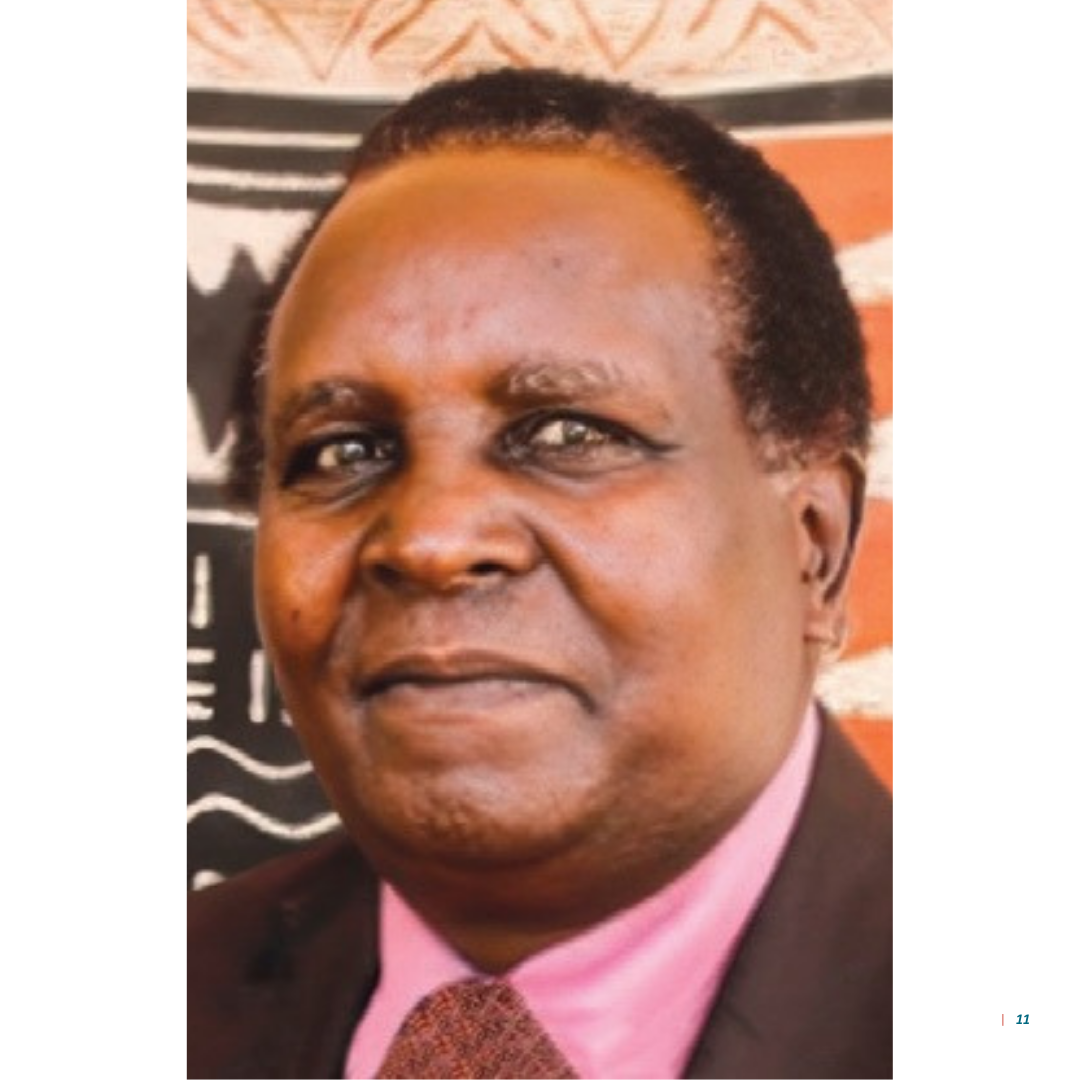
DR. SAMUEL M. NGEWA
Kenya
Samuel is a Langham-published author who serves as a professor of Biblical Studies at Africa International University in Kenya. He has written commentaries on the Gospel of John, John’s epistles, the Pastoral epistles and Galatians.
Watch the devotion being read by one of our Langham family below.