

Day 14: David
1 SAMUEL 16, 17, 24; 2 SAMUEL 6, 12; PSALM 51
I have found David, son of Jesse, a man after my own heart; he will do everything I want him to do. — Acts 13:22
What does it mean to be “a man after God’s own heart”? This bold declaration was God’s verdict on David, the shepherd boy who became king. Some assume this means moral perfection, but the Bible shows David was both deeply flawed and remarkably devoted. What set him apart? It was his close identification with God’s purposes – his willingness to act as God’s representative, pursuing God’s will above all else, even in hardship and failure.
In ancient Israel, the throne belonged to God. Kings were God’s appointed stewards, reigning on His behalf. Saul, Israel’s first king, failed by acting impulsively and disobeying God’s commands, often motivated by fear and pride. David, however, demonstrated a heart aligned with God’s will – even when the path was difficult or costly. He ruled, worshipped, repented and served with humility, aware that he reigned not for himself but for God.
This was clear when David had the chance to kill Saul in a cave. Despite Saul pursuing him unjustly, David refused to harm Saul “. . . because he is the LORD’S anointed.” He chose restraint and faith in God’s timing over personal vengeance or ambition. It is a common temptation in Ethiopia to take matters of vengeance into one’s own hands, given the corruption that exists in our justice system. David’s example teaches us the importance of trusting God’s justice and prioritizing His will above our own agendas, even when it’s tempting to take control.
David’s heart for God was also expressed in passionate worship. When the Ark was brought to Jerusalem, David danced “with all his might” before the Lord, casting aside royal dignity. When criticized by his wife Michal, he replied, “I will celebrate before the LORD.” His uninhibited joy reminds us to worship God sincerely and boldly, regardless of others’ opinions or cultural expectations.
But David’s example extends beyond kings and spiritual leaders. All believers are called “a royal priesthood” (1 Peter 2:9). Wherever we are – in the home, workplace, ministry or community – we represent God. Being a person after God’s heart means living with humility and trust, allowing His priorities to shape our thoughts, desires and actions daily. This calling is lived out in the ordinary, yet vital, decisions of everyday life: telling the truth in a culture of falsehood, showing kindness instead of bitterness, choosing forgiveness over resentment and pursuing justice rather than exploiting others. These counter-cultural but faithful acts reveal God’s heart and submit us to His lordship in every sphere of life. Such obedience, even in seemingly small things, powerfully displays God’s kingdom through us.
David also teaches us how to face failure with humility and repentance. His life was marked by significant sins – most notably his adultery with Bathsheba and the arranged death of her husband Uriah. When confronted by the prophet Nathan, David did not make excuses but confessed, “I have sinned against the LORD.” Psalm 51 captures his broken and contrite heart crying out for God’s mercy and restoration. In an Ethiopian culture that often prizes appearances over integrity, David reminds us that God desires honest and humble hearts above all.
David’s faith also shines through in moments of great courage. When he faced Goliath, David did not rely on armour or human strength but on God’s power and faithfulness. “The battle is the LORD’S,” he declared, his confidence rooted in his knowledge of God’s past protection. Likewise, our courage grows as we deepen our trust in the God who fights for us.
Ultimately, David’s life points us to Jesus – the true King after God’s own heart. Jesus perfectly fulfilled God’s will, ruling not from a throne but from a cross. He embodied God’s justice, mercy and truth in every word and deed. Through the Spirit, He now shapes us to live like Him as God’s ambassadors. In every place we find ourselves, every act of obedience makes visible the kingdom – and heart – of the ascended King.
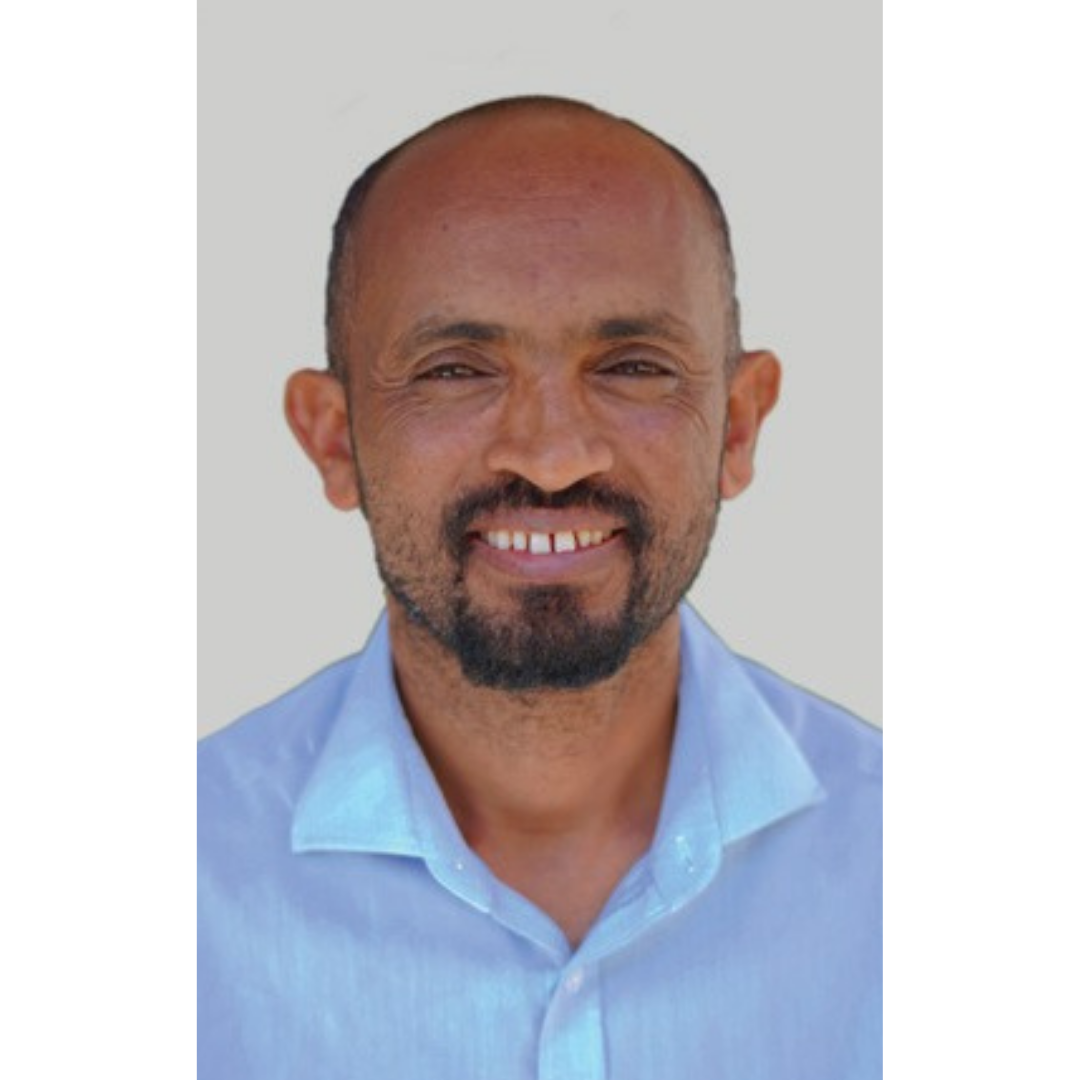

DR. TEKALIGN DUGUMA NEGEWO
Ethiopia
Tekalign serves as head of the Biblical and Theological Studies Department at the Ethiopian Graduate School of Theology and is a research fellow at Stellenbosch University in South Africa. He is also the executive director of Onesimus Publisher in Addas Ababa, a publishing partner of Langham Literature. Tekalign is married to Kalkidan Hiruy, and they have two children, Nathaniya and Noah.