

Day 1: Adam
ROMANS 5:12 – 2 & 1 CORINTHIANS 15:21 – 22, 45 – 49
For as in Adam all die, so in Christ all will be made alive. 1 Corinthians 15:22
In Eden, Adam walked with God. There was no veil, no fear, no intermediaries. It was pure communion, the Creator and His creature in perfect harmony. This is what we are made for.
But one act of disobedience was enough to break that relationship. Sin entered the world, death passed to all and humanity was cast away from God’s presence.
The story of Adam is the story of all of us. Wanting to “be like God,” we choose autonomy and, ironically, become slaves – slaves to sin, shame and distance. It is in this abyss that we begin to outsource not just our faith but our very relationship with God. Instead of drawing near, we delegate intimacy, preferring that others climb the “mountain” and speak to God for us, as Israel did with Moses. Sometimes, we rely on spiritual leaders to believe, hear and discern on our behalf. At other times, we turn to substitutes – rituals, systems or even human relationships – in a desperate attempt to fill the void of communion we were created for. The tragedy of the fall was not primarily moral. It was relational. We lost the intimacy for which we were designed and still long, but in our fear of facing God directly, we allow others or other things to manage the relationship for us.
But the Bible does not end in Genesis 3. In Christ, the second Adam, God descends again into the garden, no longer asking “Where are you?” but declaring “It is finished.” Where the first Adam brought condemnation, the second brought justification. Where the first opened the door to death, the second opened wide the way to life. If in Eden, man hid from God, on Calvary, God revealed Himself completely to man.
This truth is deeply relevant in my context. I see people living a borrowed faith, dependent on gurus, leaders or the experiences of others to draw near to God. But Christ tore the veil. In Jesus, there is no need for human mediators. We all have direct access to the Father. The second Adam not only reversed the failure of the first but inaugurated a new kind of humanity, one that lives in the freedom of obedience and the joy of communion.
If Adam teaches me about the gravity of the fall, Christ teaches me about the greatness of grace. And it is precisely this grace that calls us to rise from the dust, drop the fig leaves with which we try to cover ourselves and run into the arms of the Father. Today, the voice that echoes is not one of condemnation but of invitation: “Come to me.”
So, before the fi rst and second Adam, my prayer is this: that we no longer live in the shadow of our inheritance of rebellion but in the light of our new identity in Christ. Because, if in Adam all die, in Christ all are made alive. And this life is to be enjoyed now, face to face with the God who does not outsource or skimp on love but gives it directly and entirely.
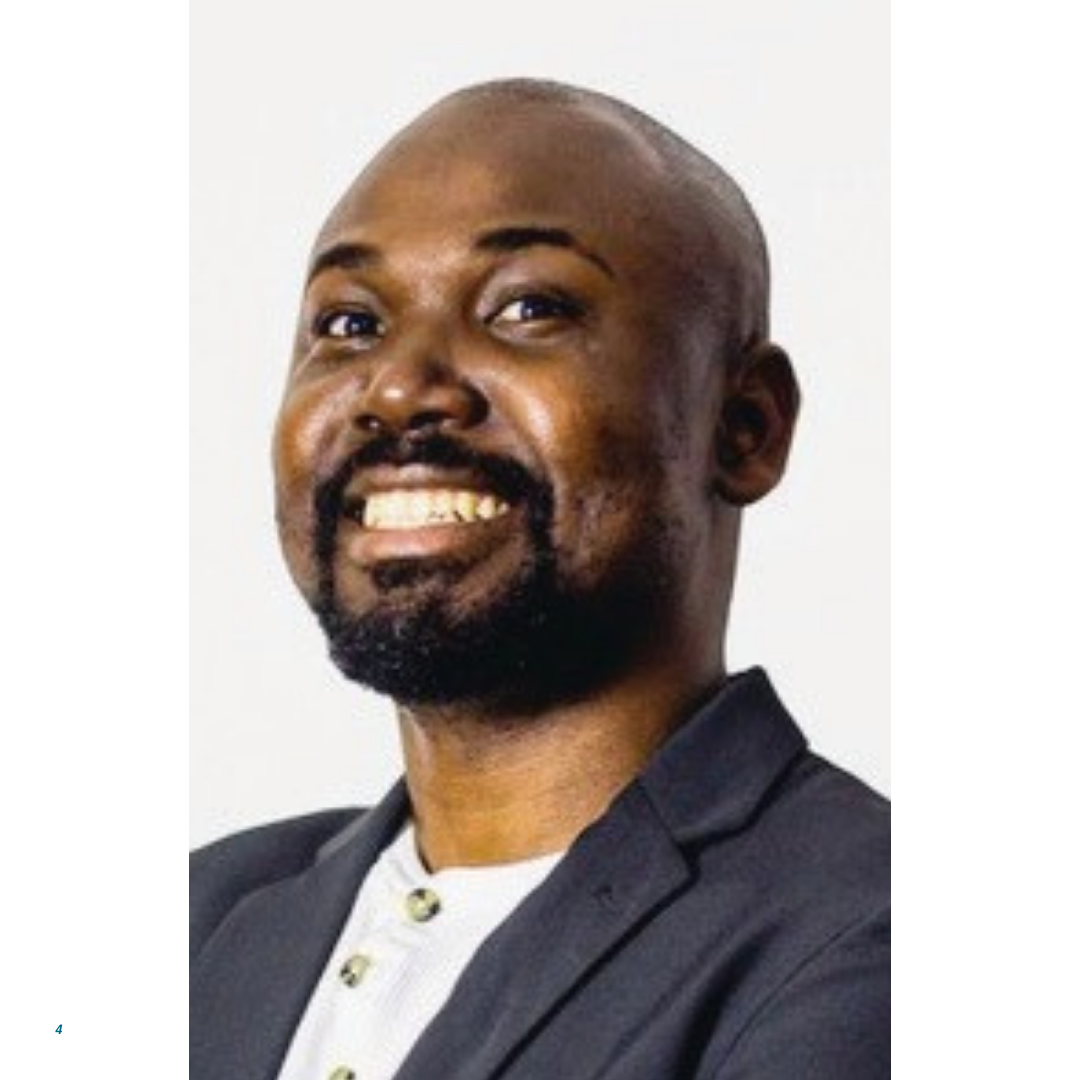
TOMÁS CAMBA
Brazil
Tomás is a pastor, theologian, professor of philosophy and the founder of Editora Quitanda, a publishing house based in São Paulo, Brazil, and Luanda, Angola. He is husband to Thayna Karen and father of Ágatha.
Watch the devotion being read by one of our Langham family below.